
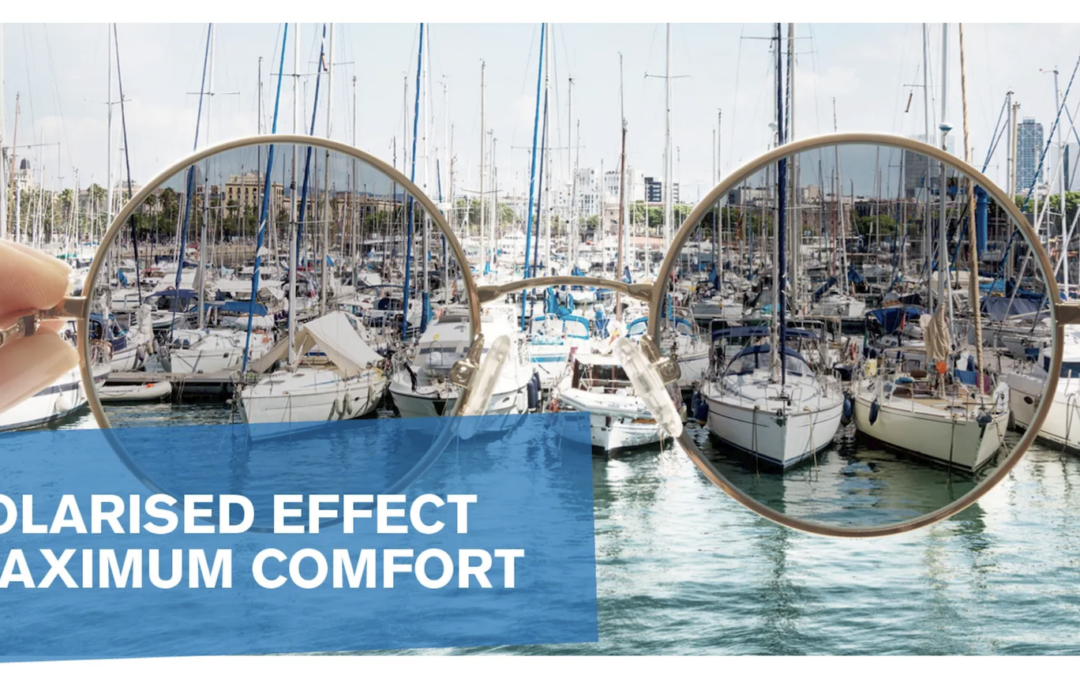
Choosing the right lenses for your glasses can make a big difference to your comfort, vision, and eye protection. If you’ve been looking at sunglasses or discussing lens options with your optician, you may have come across terms like tinted, polarised, and photochromic lenses.
While they all help protect your eyes from bright light, they work in different ways and suit different lifestyles. Here’s what you need to know.
What Are Tinted Lenses?
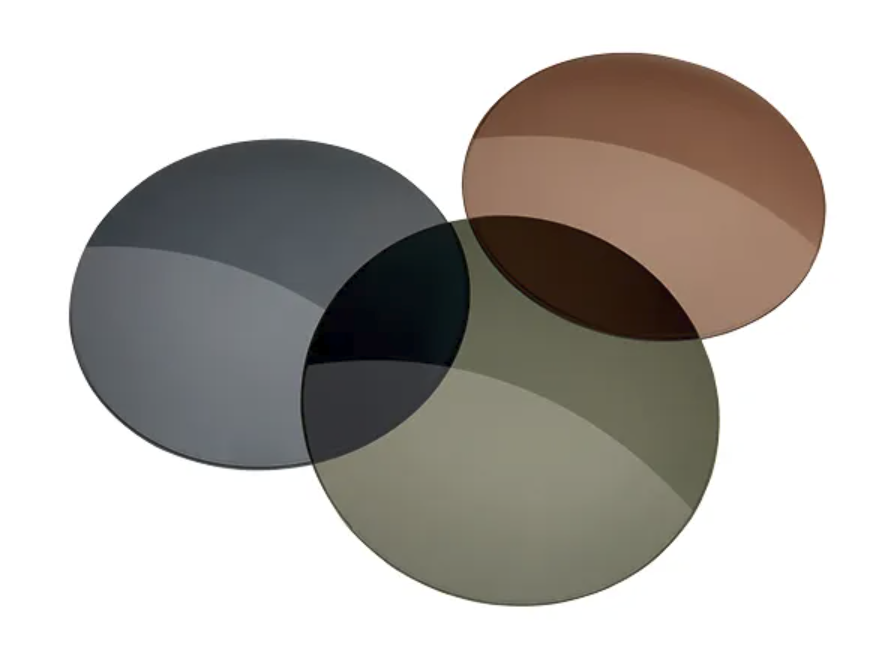
Image Credit © 2026 HoyaLens.com (AU)
Tinted lenses have a fixed colour and darkness level that stays the same all the time. Common colours include grey, brown, and green, although fashion tints are also available.
Tinted lenses reduce the amount of light entering your eyes, making sunny conditions more comfortable.
Benefits of Tinted Lenses
- Reduce brightness in sunny weather
- Available in a range of colours and styles
- Can improve comfort outdoors
- Ideal for dedicated sunglasses
- Provide UV protection
Things to Consider
- The tint does not change in different lighting conditions
- They do not reduce glare as effectively as polarised lenses
- You may need a separate pair of clear glasses indoors
- Not all tinted lenses come with UV protection. It is important to make sure tinted lenses have UV protection, by checking for CE markings if buying on the high street or online. All sun protection provided by Gray Opticians will have full UV protection.
Best For… People who want a traditional pair of sunglasses for outdoor use and those who enjoy specific lens colours for style or visual comfort.
What Are Polarised Lenses?
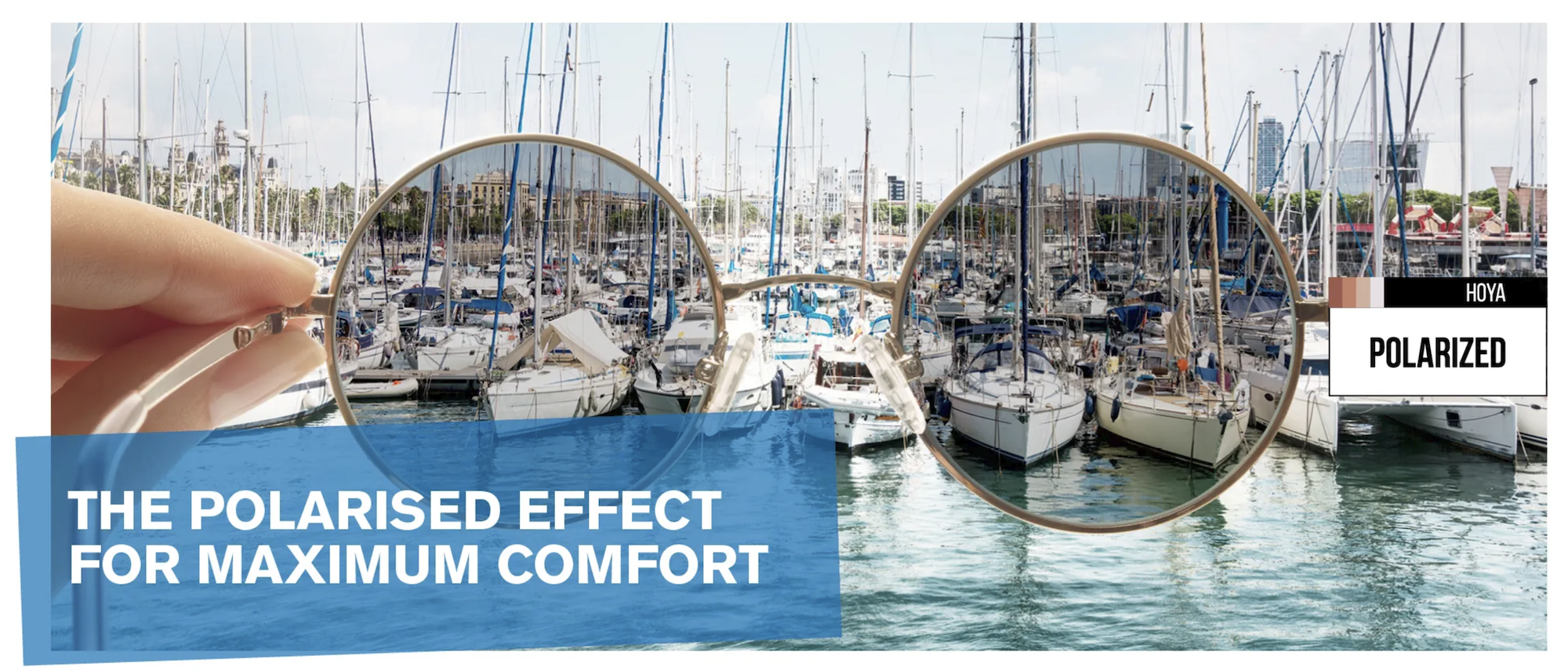
Image Credit © 2026 HoyaLens.com (AU) | Also this link…
Polarised lenses are specially designed to reduce glare caused by sunlight reflecting off surfaces such as roads, water, snow, or wet pavements.
Many people notice that polarised lenses provide sharper, more comfortable vision on bright days.
Benefits of Polarised Lenses
- Significantly reduce glare
- Improve visual comfort and clarity
- Reduce eye strain in bright conditions
- Particularly useful for driving and outdoor activities
- Provide UV protection
Things to Consider
- Some digital screens can appear darker or harder to see
- Polarised lenses are often more expensive than standard tinted lenses
Best For… Drivers, anglers, boaters, golfers, and anyone who spends a lot of time outdoors in bright conditions.
What Are Photochromic Lenses?
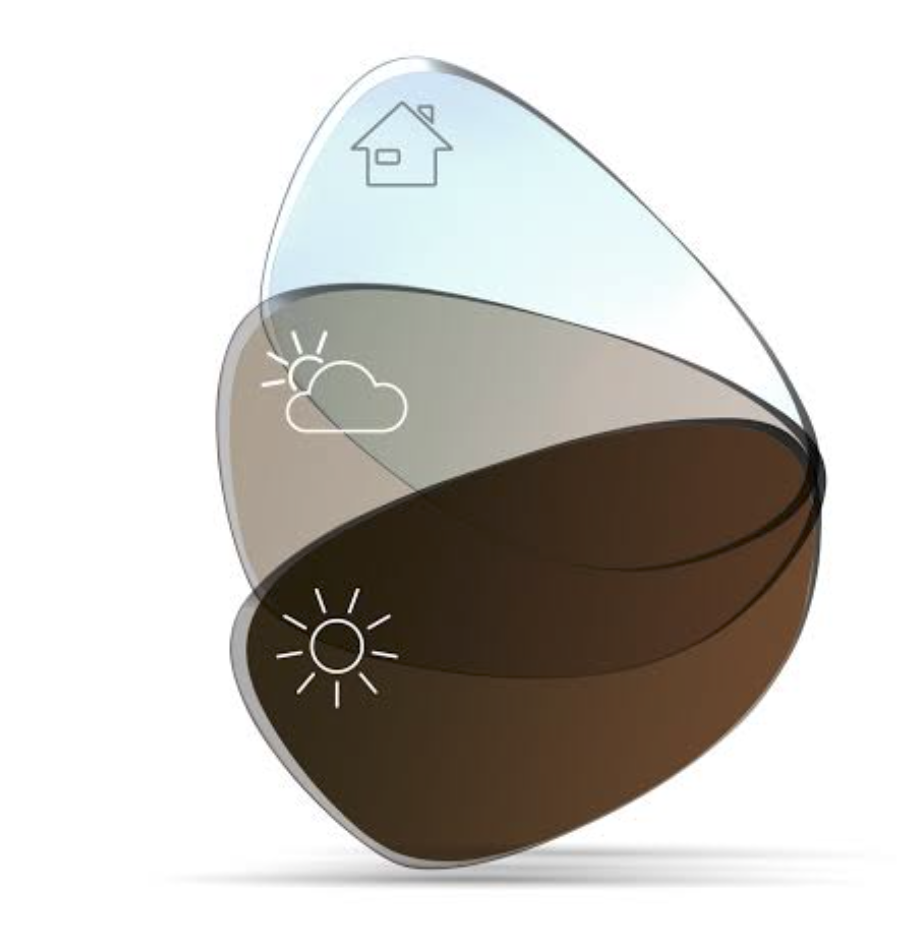
Image Credit © 2026 HoyaLens.com (AU)
Photochromic lenses automatically darken when exposed to sunlight and return to a clearer state indoors. They’re sometimes known as “light-reactive” lenses.
This means you can wear the same pair of glasses throughout the day without switching between regular glasses and sunglasses.
Benefits of Photochromic Lenses
- Adapt automatically to changing light levels
- Convenient for everyday wear
- Provide UV protection
- Reduce the need for separate prescription sunglasses
Things to Consider
- They may not darken fully inside a car because most windscreens block UV light. However, there are some available that react to light and can go darker behind a windscreen.
- They take a short time to darken and clear.
- They don’t always go fully clear and may have a very light residual tint.
- The level of darkness can vary depending on weather and temperature.
Best For… People who regularly move between indoors and outdoors and want the convenience of one pair of glasses.
Which Lens Type Is Best?
The right choice depends on your lifestyle.
Choose tinted lenses if you:
- Want a dedicated pair of sunglasses
- Prefer a specific lens colour
- Spend time outdoors in consistent lighting conditions
Choose polarised lenses if you:
- Drive frequently
- Spend time near water
- Find glare uncomfortable
- Want the clearest outdoor vision possible
Choose photochromic lenses if you:
- Wear glasses all day
- Frequently move between indoors and outdoors
- Prefer not to carry multiple pairs of glasses
Our Quick Comparison Table
|
Feature |
Tinted |
Polarised |
Photochromic |
| Reduces brightness | ✓ | ✓ | ✓ |
| Reduces reflected glare | Limited | Excellent | Moderate |
| Changes with light conditions | No | No | Yes |
| Suitable indoors | Usually no | No | Yes |
| UV protection | Depends on lens | Usually yes | Yes |
| Ideal for driving | Good | Excellent | Variable |
Whether you choose tinted, polarised, or photochromic lenses, the goal is the same: protecting your eyes and improving your comfort in different lighting conditions.
If you’re unsure which option is right for you, speak to an optometrist or dispensing optician at Gray Opticians Rugby. A short conversation with our local experts about your daily activities can help ensure you get lenses that support your vision wherever life takes you.