
That’s why having your spectacles dispensed by a qualified dispensing optician is so important.
Your prescription is only the beginning
An eye examination determines the prescription you need, but producing spectacles that work properly involves much more than transferring those numbers into a pair of lenses.
A qualified dispensing optician uses your prescription alongside a range of other factors, including your facial measurements, frame choice, how you wear your glasses and your individual visual requirements.
They can help ensure that your lenses are positioned correctly in relation to your eyes and that the frame sits comfortably and securely.
Getting the measurements right
Accurate measurements are a crucial part of spectacle dispensing. Depending on the lenses being prescribed, measurements can include your pupillary distance, fitting height and the position of the lenses in relation to your eyes. For some modern lens designs, additional measurements may also be required.
Small inaccuracies can potentially affect how well your lenses perform, particularly with more complex prescriptions or sophisticated lens designs.
A qualified dispensing optician is trained to take these measurements accurately and understands how they relate to the finished spectacles.

Choosing the right lenses
There are now more lens options than ever before. Single-vision, occupational, varifocal and specialised lens designs can all provide different benefits depending on your visual needs.
A dispensing optician can explain the available options and help you understand the differences between lens materials, coatings and designs.
For example, someone who spends much of their working day using multiple screens may have different requirements from someone who needs spectacles primarily for driving, reading or outdoor activities.
The aim is not simply to sell you a lens, but to find a solution that is appropriate for how you use your vision every day.
Frame selection matters too
Your frame is an important part of the optical process. A dispensing optician can consider factors such as the shape and size of the frame, how it fits your face, the position of your eyes within the frame and whether it is suitable for your prescription.
This can be particularly important with high prescriptions, varifocal lenses or certain specialist lens designs.
Of course, choosing glasses is also personal. Your dispensing optician can help you find a frame that suits your appearance and lifestyle while making sure it is appropriate for your lenses.
Varifocals require particular care
For people being prescribed varifocal or progressive lenses, professional dispensing can be especially valuable.
Varifocal lenses contain different areas designed for different viewing distances. Correct positioning and fitting are therefore important to achieving the intended performance of the lenses.
A qualified dispensing optician can take the necessary measurements, explain how your new lenses work and advise you on adapting to them.
If adjustments are needed after you receive your glasses, they can also assess the fit and make appropriate frame adjustments.
Comfort is part of good dispensing
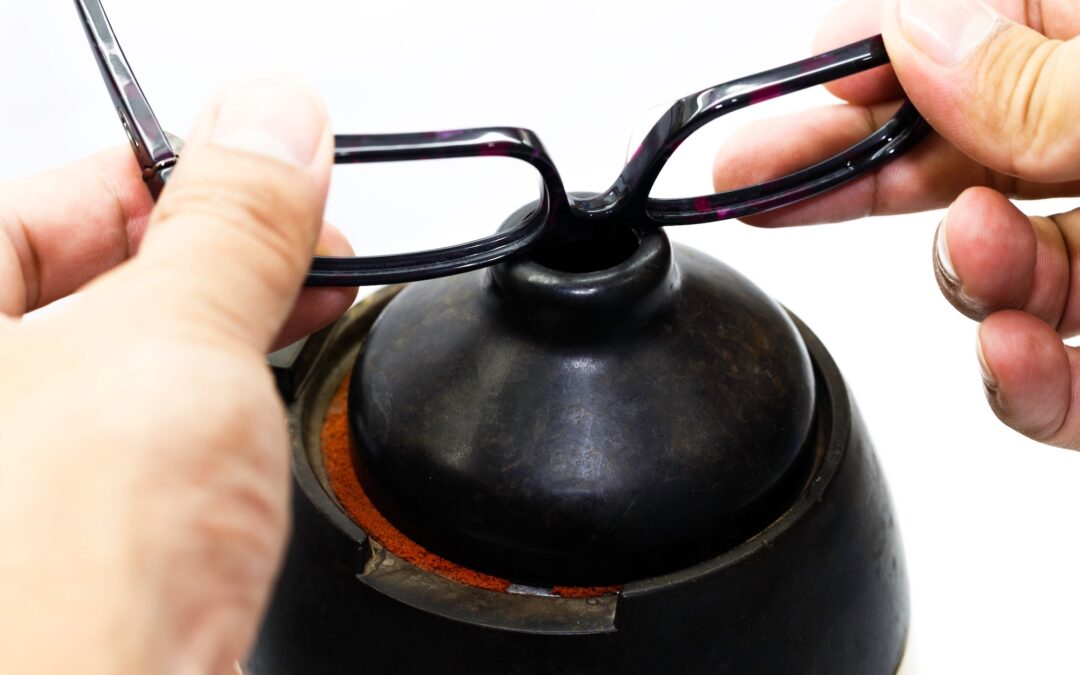
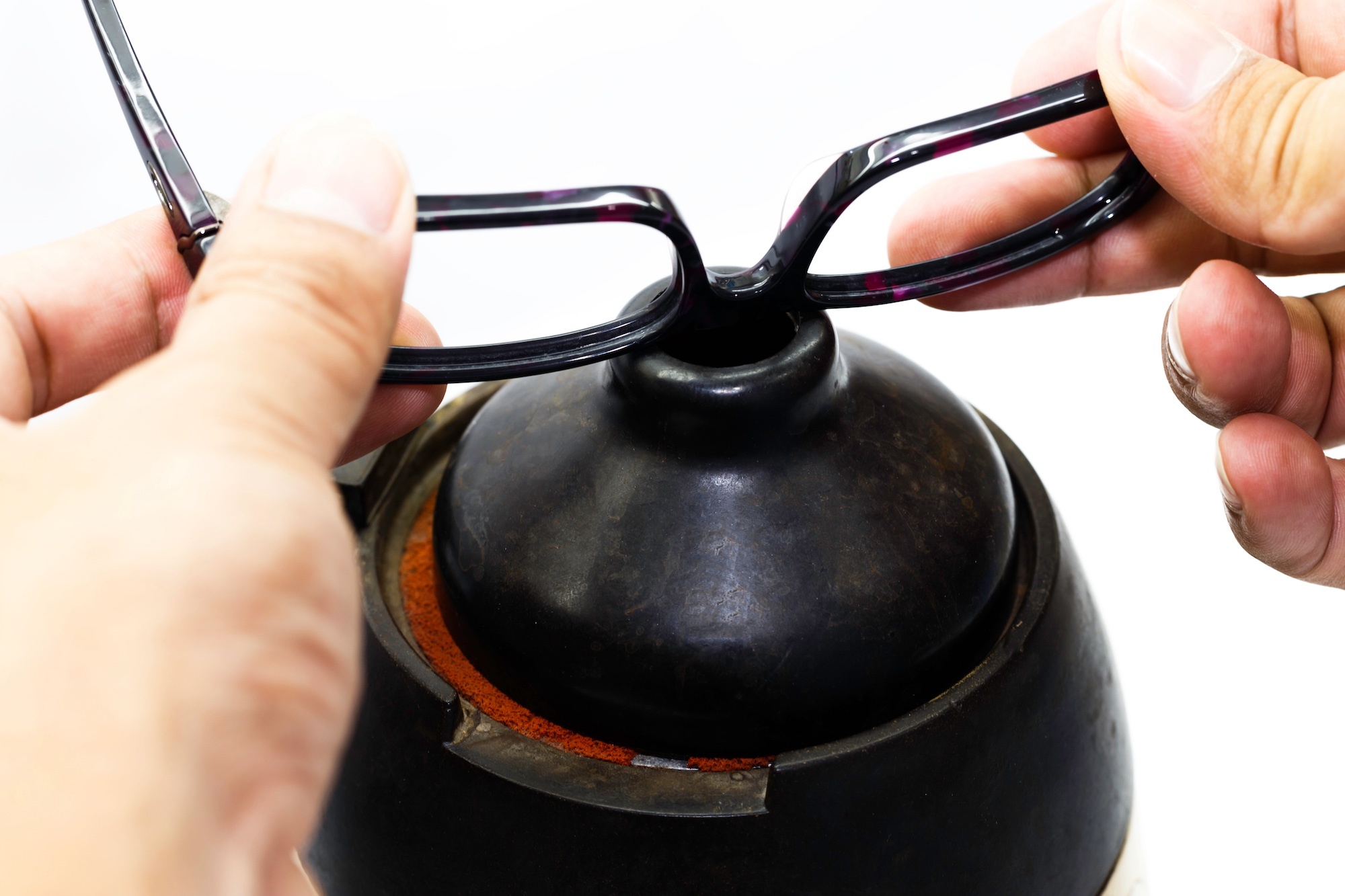
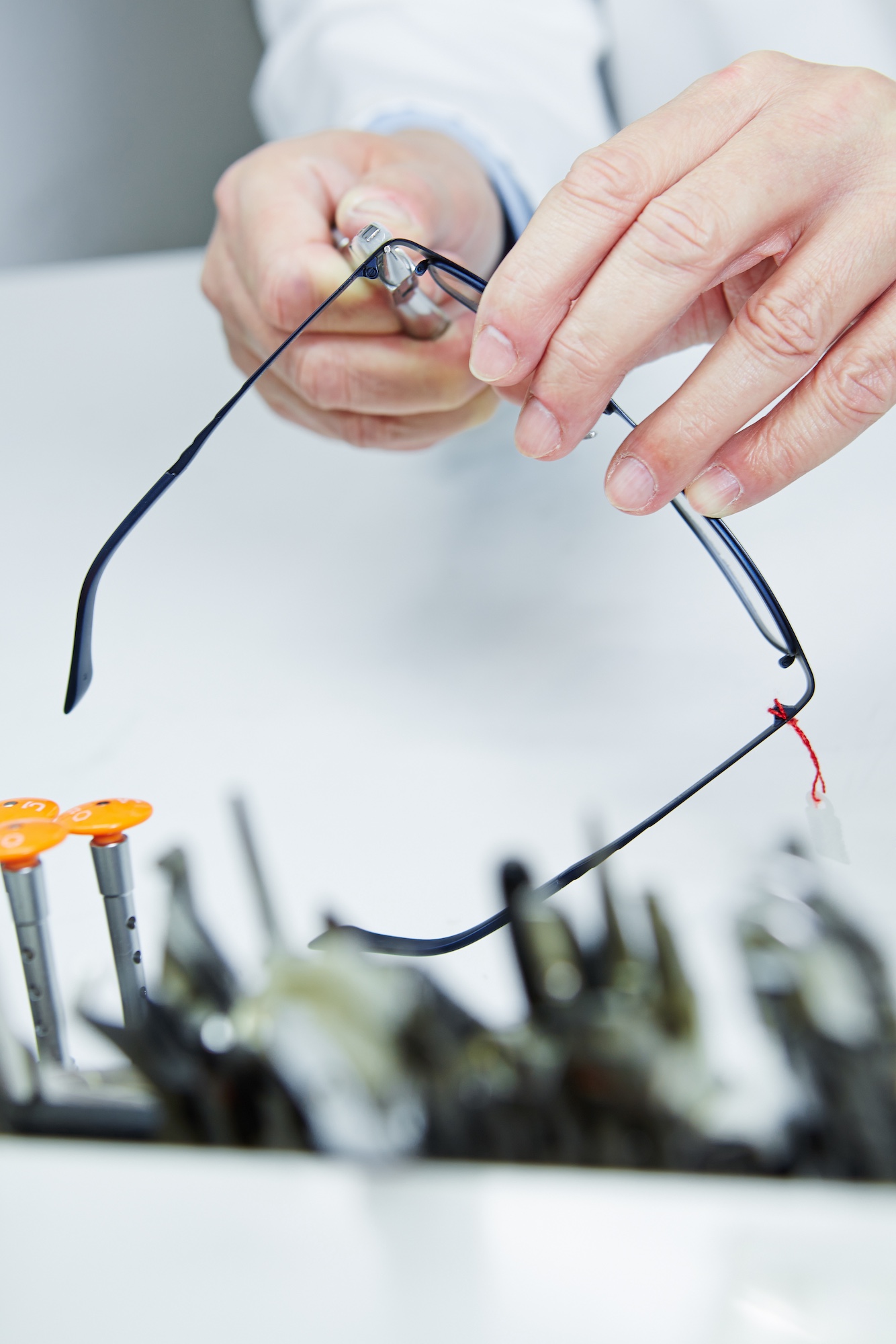
Even an accurately made pair of spectacles needs to fit properly. Your dispensing optician can adjust the frame so that it sits correctly and comfortably, helping to prevent problems such as slipping, pressure behind the ears or discomfort around the nose.
And fitting doesn’t necessarily end when you collect your glasses. Your spectacles may need occasional adjustments over time, particularly if the frame becomes distorted or changes shape through everyday use.
Professional advice you can trust
Perhaps one of the biggest benefits of using a qualified dispensing optician is the professional knowledge behind the service.

Dispensing opticians are educated to degree-level and with three years of education have a comprehensive knowledge in order to effectively analyse a prescription, perform a visual task analysis that is patient-centred and make recommendations accordingly. They are trained in optics, spectacle lenses, frames, measurements and fitting. They can identify when a particular frame or lens may not be appropriate and can explain your options in terms that make sense to you.
Dispensing spectacles to children or patients with a visual impairment can only be undertaken by, or under the supervision of, dispensing opticians or optometrists registered with the General Optical Council (GOC).
Your spectacles are something you may wear for many hours every day. Taking the time to have them professionally dispensed can make a real difference to your comfort, vision and satisfaction.
Your glasses should be made for you
Two people can have exactly the same prescription but require very different spectacles. Your occupation, hobbies, lifestyle, frame choice, facial measurements and visual requirements can all influence the most suitable solution.
That is the value of professional dispensing: your spectacles aren’t simply made to a prescription; they are fitted to you.
So, when you’re choosing your next pair of glasses, don’t underestimate the importance of the person dispensing them. A qualified dispensing optician can help make sure that your new spectacles are accurately measured, properly fitted and suitable for the way you live.
Good vision starts with the right prescription — but great spectacles require good dispensing too.